

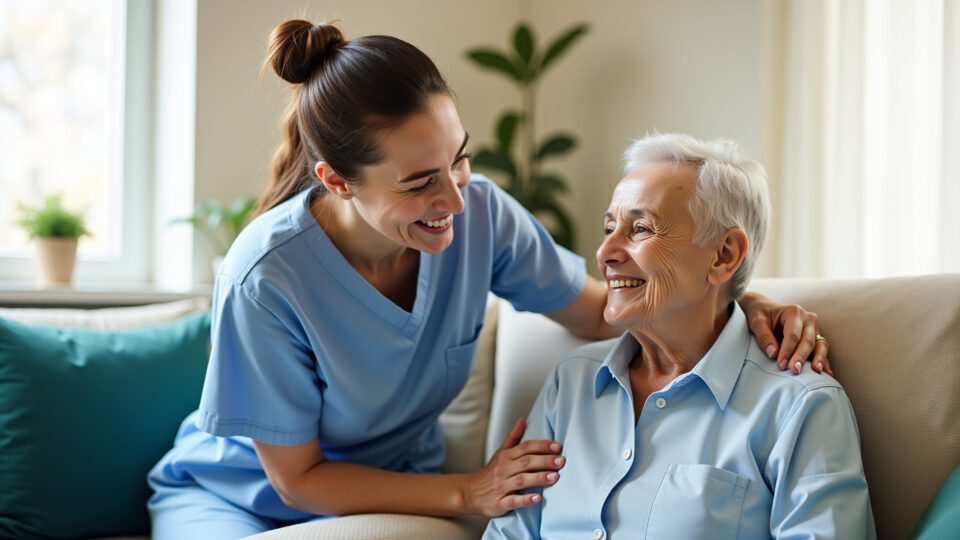
Access to quality healthcare has long been a defining challenge for individuals living in rural communities across the United States. While urban centers often boast an abundance of medical campuses, specialized clinics, and clinical experts, rural areas routinely face severe resource limitations. Geographic isolation, a lack of public transportation, systemic physician shortages, and the ongoing closure of small community hospitals mean that residents in these regions frequently travel long distances simply to receive basic medical attention.
To combat this deep-seated disparity, the healthcare industry has turned to technological solutions. Among these innovations, telehealth nursing has emerged as an essential force. By combining advanced communication systems with the core principles of clinical nursing, telehealth nurses are effectively dismantling geographic barriers. These professionals serve as the critical human bridge connecting isolated patients with the modern medical grid, transforming how rural populations manage acute and chronic illness.
The Critical Realities of Rural Healthcare Deficits
Understanding the impact of telehealth nursing requires a clear look at the systemic obstacles that define rural life. Rural populations tend to be older, possess lower average incomes, and exhibit higher rates of chronic diseases such as diabetes, hypertension, and pulmonary disorders compared to their urban counterparts.
At the same time, the local medical infrastructure in these areas is steadily shrinking. Recruiting specialized medical staff to isolated communities is incredibly difficult. When a specialized clinic or a local emergency room closes, the remaining options for care require significant sacrifices of time and money, leading many rural residents to delay seeking care until their conditions escalate into severe medical emergencies.
The Problem of Deferred Prevention
When a routine checkup or a diagnostic blood test requires a multiple-hour drive, preventative health actions become low priorities. Rural patients frequently tolerate manageable symptoms until they become debilitating. This pattern of deferred care results in advanced disease progression, poor long-term outcomes, and higher rates of preventable deaths.
Telehealth nursing addresses this exact point of failure by introducing continuous, low-friction accessibility. By shifting the initial point of medical contact from a physical clinic to a digital link, nursing teams capture and manage clinical issues before they require intensive emergency hospitalization.
The Diverse Scope of Telehealth Nursing
Telehealth nursing is not a singular activity; it is a complex specialty that utilizes digital infrastructure to execute diverse clinical interventions. Telehealth nurses do not merely answer phones or schedule appointments. They carry out virtual physical assessments, review complex diagnostic datasets, coordinate critical emergency actions, and manage multi-layered health education programs.
The implementation of telehealth nursing generally falls into three main operational frameworks, each designed to address specific patient needs.
1. Remote Patient Monitoring
Remote patient monitoring represents one of the most clinically impactful facets of telehealth nursing. This model relies on digital medical devices that are placed inside the patient’s home. These devices record physiological metrics and transmit the data securely to a central nursing portal in real time.
-
Connected Medical Equipment: Patients use cellular-enabled devices such as blood pressure cuffs, glucometers, digital weight scales, and pulse oximeters.
-
Proactive Data Analysis: A telehealth nurse reviews the incoming data daily, tracking trends and looking for deviations from the patient’s established baseline.
-
Early Medication Calibration: If a patient with congestive heart failure shows a sudden weight increase, which suggests fluid retention, the nurse instantly contacts the provider to adjust medication dosages before serious respiratory distress develops.
2. Synchronous Virtual Consultations
Synchronous care involves real-time, face-to-face video interactions between the nurse and the patient. This framework allows for visual physical assessments that text communication or standard phone calls cannot duplicate.
During a video session, a telehealth nurse can inspect the healing progress of a surgical incision, evaluate the severity of a dermatological rash, or watch a patient demonstrate their insulin injection technique. This immediate visualization allows the nurse to confirm whether a treatment plan is working or if the patient needs to travel to a physical emergency facility.
3. Asynchronous Triage and Care Coordination
Asynchronous telehealth involves the transmission of medical histories, diagnostic images, and symptom logs for review at a later time. Telehealth nurses manage these incoming files, prioritizing patients based on the clinical severity of their recorded symptoms.
Once a nurse triages the information, they coordinate the next steps within the medical system. This might involve sending an adjusted prescription to a remote pharmacy, scheduling an expedited consultation with an urban specialist, or organizing home health equipment deliveries.
Enhancing Chronic Disease Management
Chronic conditions require continuous, methodical management to avoid life-threatening complications. In rural environments, where specialized clinicians are scarce, telehealth nurses assume the primary responsibility of guiding patients through these complex, lifelong journeys.
By establishing regular digital checkpoints, nurses help patients understand the physiological mechanisms of their diseases, which greatly improves adherence to treatment plans.
Diabetes Stabilization and Education
Managing diabetes requires a constant cycle of monitoring blood sugar levels, balancing dietary carbohydrates, and calculating insulin doses. For a rural patient, a lack of access to a dedicated diabetes educator can make this process incredibly overwhelming.
Telehealth nurses provide individual educational sessions via video or phone, breaking down how specific lifestyle choices alter metabolic numbers. They review glucose trends alongside the patient, helping them identify patterns of hypoglycemia or hyperglycemia. This continuous reinforcement builds patient confidence, lowers average hemoglobin A1C levels, and significantly reduces long-term diabetic complications like neuropathy or kidney damage.
Cardiovascular and Respiratory Oversight
For individuals dealing with hypertension or chronic obstructive pulmonary disease, minor environmental shifts or lifestyle changes can trigger a profound physical crisis. Telehealth nursing provides a safety net for these vulnerable populations.
Nurses track daily blood pressure and oxygen saturation levels. When metrics cross an established safety threshold, the system triggers an automated alert, allowing the nurse to contact the patient immediately. The nurse can evaluate the patient’s breathing patterns over video, assess their current cognitive clarity, and guide them through immediate therapeutic interventions, effectively stabilizing the condition right in their living room.
Emergency Triage and Reducing Hospital Readmissions
The financial and operational strain on rural hospitals is exacerbated by high rates of preventable readmissions. When a patient is discharged following a major cardiac event or surgical procedure, the first few weeks at home carry a substantial risk of complications.
Telehealth nursing provides transitional care programs that actively minimize these risks, keeping vulnerable patients safe and preventing unnecessary hospital returns.
The Digital Discharge Buffer
Upon returning to an isolated home, a patient may struggle to remember complex discharge instructions or fail to recognize early warning signs of infection or medication toxicity. A telehealth nurse contacts the patient within twenty-four to forty-eight hours of discharge to conduct a thorough review.
The nurse verifies that the patient has obtained their new prescriptions, clarifies confusing dosing schedules, and performs a comprehensive symptom assessment. This immediate contact eliminates confusion, catches early complications, and provides the patient with a clear, direct line of communication should their physical state degrade.
Virtual Emergency Triage
When an acute injury or sudden illness occurs in a rural home, families face a stressful decision: drive hours to an emergency room or wait and hope the symptoms improve. Telehealth triage nurses remove this ambiguity.
Through structured clinical triage algorithms, the nurse evaluates the patient’s symptoms via phone or video. If the situation is non-emergent, the nurse can guide the family through safe home care practices or arrange a standard clinic appointment. If the situation is life-threatening, the nurse immediately coordinates with local emergency medical services, ensuring that an ambulance is dispatched while providing the family with step-by-step stabilization instructions.
The Psychological and Emotional Value of Connected Care
Beyond the obvious clinical and operational benefits, telehealth nursing delivers profound psychological value to rural communities. Long-term illness and geographic isolation frequently breed a sense of abandonment and deep emotional stress. Knowing that a professional nurse is actively monitoring their health creates a significant sense of security for these patients.
This human connection alters the patient’s relationship with the healthcare system. Rather than viewing medical care as a stressful, distant ordeal reserved only for dire emergencies, patients begin to see healthcare as a supportive, collaborative element of their daily lives. This shift in mindset fosters proactive health management, promotes self-advocacy, and enhances the overall quality of life for individuals who have historically been left behind by modern medicine.
Frequently Asked Questions
Do rural patients need an expensive high-speed internet connection to use telehealth nursing services?
While high-speed internet enhances video-based consultations, it is not an absolute requirement for all forms of telehealth nursing. Many remote patient monitoring systems utilize built-in cellular chips that connect to standard mobile networks, requiring no home internet setup from the patient. For areas with exceptionally poor digital infrastructure, telehealth nurses can effectively conduct triage and management programs using standard, traditional landline telephone services.
Are telehealth nursing services covered by standard health insurance and Medicare?
Yes, health insurance structures have evolved significantly to recognize the value of virtual care. Medicare, Medicaid, and the majority of private insurance providers now offer extensive coverage for telehealth nursing services, particularly for remote patient monitoring and chronic disease management programs. However, because specific benefits can vary depending on state regulations and individual policy designs, patients should always confirm their exact coverage parameters with their insurance provider.
How do telehealth nurses handle a situation where a patient requires a physical examination?
Telehealth nursing is designed to complement, not entirely replace, hands-on medical care. If a telehealth nurse detects a clinical symptom that requires an in-person evaluation, such as an irregular heart rhythm that cannot be fully verified remotely or signs of a deep internal infection, the nurse coordinates an in-person referral. They will contact a local clinic, family physician, or regional medical center to arrange an expedited appointment, ensuring the patient is seen physically without delay.
Can a telehealth nurse prescribe medications or adjust dosages independently?
A telehealth nurse operates under the same legal scope of practice as a traditional registered nurse, meaning they cannot independently write new prescriptions. However, they work in tight collaboration with physicians and nurse practitioners. When data shows that a patient requires an adjustment, the telehealth nurse presents the clinical findings to the provider. The provider then authorizes the change, which the nurse communicates and explains to the patient.
How is patient privacy and medical data protected during telehealth nursing sessions?
Telehealth nursing platforms are bound by strict federal privacy regulations, including the Health Insurance Portability and Accountability Act, commonly known as HIPAA. All transmitted physiological data, electronic charting, and video consultations are secured through high-level encryption systems. Healthcare organizations use dedicated, secure networks to ensure that a patient’s private medical information remains confidential and completely inaccessible to unauthorized individuals.
What happens if a piece of remote patient monitoring equipment malfunctions at home?
If a device fails to transmit data or displays an error message, the telehealth nursing team notice the absence of the scheduled data transmission. A nurse or a technical support specialist will reach out to the patient directly to troubleshoot the equipment. If the device has suffered a hardware failure, the healthcare organization will arrange for a replacement unit to be shipped directly to the patient’s home, ensuring their monitoring remains continuous.
