

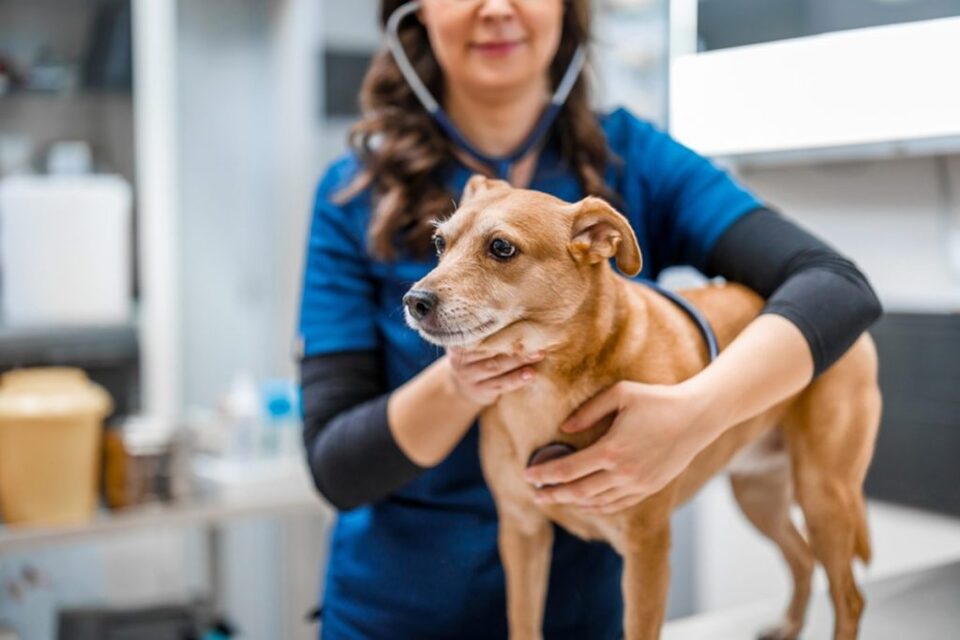
The field of veterinary medicine is undergoing a profound transformation. As we navigate the current landscape of 2026, the convergence of advanced technology, data analytics, and a deeper understanding of genetics is redefining how we approach animal health. No longer confined to traditional diagnostic and treatment methods, the veterinary profession is entering an era characterized by precision, proactivity, and enhanced accessibility. This evolution is driven by a societal shift that increasingly views pets as integral family members, necessitating a standard of care that parallels the sophisticated medical attention available to humans.
Artificial Intelligence and Predictive Analytics
Artificial Intelligence is perhaps the most significant catalyst for change in modern veterinary practices. Rather than replacing the clinician, AI serves as a powerful diagnostic and administrative assistant that enhances the efficiency and accuracy of care. By analyzing vast datasets, including electronic medical records, laboratory results, and imaging archives, AI algorithms can identify subtle patterns that human observers might overlook.
One of the most notable applications of AI is in diagnostic imaging. Radiographs, ultrasounds, and MRI scans can now be processed through specialized software that flags anomalies, reducing the risk of human error and speeding up the diagnostic process. Furthermore, predictive analytics is revolutionizing preventive care. By evaluating historical patient data, veterinarians can now forecast potential health issues, such as chronic kidney disease or metabolic disorders, years before clinical signs become apparent. This allows for early intervention, significantly improving long-term prognosis and patient quality of life.
The Rise of Telemedicine and Remote Monitoring
Accessibility has historically been a challenge in veterinary medicine, particularly for owners in rural areas or those with pets that suffer from significant travel anxiety. Telemedicine has dismantled many of these barriers. Through virtual consultations, veterinarians can assess non-emergency symptoms, provide triage, and follow up on chronic conditions without the need for a stressful clinic visit.
Beyond simple video calls, the future of remote monitoring lies in the integration of wearable technology. Smart collars and biometric sensors now provide real-time data on an animal’s vitals, activity levels, and sleep patterns. This continuous stream of information allows for a more comprehensive understanding of a pet’s health status in their natural home environment. For instance, a sudden change in gait detected by a wearable sensor can alert an owner to joint pain long before the pet displays a noticeable limp, enabling early treatment and better mobility management.
Precision Medicine and Genomics
Precision medicine, often referred to as personalized medicine, is moving from a niche concept to a standard approach in veterinary oncology and internal medicine. This paradigm shift involves tailoring medical decisions to the individual patient’s unique genetic makeup, environment, and lifestyle, rather than relying on a one-size-fits-all model.
Advancements in genomic sequencing are now being used to identify genetic predispositions to specific diseases. For example, by testing a young animal for markers associated with breed-specific conditions, veterinarians can implement customized preventive strategies, such as dietary adjustments or targeted screening programs. In the realm of oncology, genetic profiling of tumors is helping clinicians select the most effective chemotherapy or immunotherapy agents, minimizing exposure to treatments that are unlikely to provide benefit and reducing unnecessary side effects for the patient.
Innovation in Surgical and Diagnostic Tools
The surgical suite is also becoming less invasive and more precise. The development of advanced surgical devices, often designed specifically for the anatomical requirements of companion animals, has led to shorter recovery times and fewer complications. Techniques like laparoscopy and thoracoscopy have become standard, allowing for complex procedures to be performed through small incisions.
In diagnostic imaging, the accessibility of high-resolution tools such as 3T MRI and advanced point-of-care ultrasound is growing. These tools provide clinicians with an unparalleled view of internal structures, allowing for the precise localization of soft tissue masses or cardiovascular abnormalities. As these technologies become more compact and affordable, they are being integrated into daily practice, ensuring that high-level diagnostics are available not just in university teaching hospitals, but in neighborhood clinics as well.
The Role of Nutritional Genomics
Nutrition is no longer viewed solely as a means of providing caloric intake; it is now recognized as a key element of disease management and health optimization. Nutritional genomics, or nutrigenomics, is the study of how individual genetic profiles interact with specific nutrients. This science is enabling the development of personalized diets that can help manage chronic conditions like diabetes or inflammatory bowel disease by altering gene expression through targeted dietary interventions.
As the industry moves away from generic nutritional ranges, the focus is shifting toward custom-tailored feeding plans that consider an animal’s life stage, breed, genetics, and activity level. This proactive approach to nutrition is becoming a pillar of longevity, helping to address the growing epidemic of pet obesity and associated metabolic diseases.
Preparing for the Future of Practice
The future of veterinary medicine is not just about the tools we use, but how we prepare the next generation of veterinary professionals. The integration of these advanced technologies requires a workforce that is digitally literate and skilled in data interpretation. Curriculums are evolving to include AI-assisted training, genomic data analysis, and the critical evaluation of emerging technologies.
Furthermore, the emphasis on mental health and efficiency within the industry is leading to a redesign of veterinary workflows. By utilizing technology to handle administrative burdens, clinicians are finding more time to focus on what matters most: the bond between the human, the animal, and the veterinarian. This human-centric approach, supported by technical innovation, ensures that the future of veterinary care remains compassionate, precise, and highly effective.
Frequently Asked Questions
How will AI impact the cost of veterinary care?
While the initial investment in AI technology for clinics may be significant, the long-term impact on costs is expected to be positive. By enabling earlier detection of diseases, AI reduces the need for expensive, advanced interventions required for late-stage illnesses. Additionally, efficiency gains in triage and administrative tasks help clinics manage patient loads more effectively.
Are wearable devices for pets accurate enough for medical decisions?
Wearable devices are becoming increasingly sophisticated and are now capable of providing clinical-grade data. However, they should be viewed as a tool to assist, not replace, professional veterinary judgment. They provide the trend data necessary for a veterinarian to make an informed diagnosis based on long-term observation rather than a single exam.
What is the difference between telemedicine and virtual triage?
Telemedicine involves a formal, established veterinarian-client-patient relationship where advice and treatment can be prescribed remotely. Virtual triage is often an initial, automated or professional assessment used to determine the urgency of a situation and guide the owner to either monitor the pet at home or seek immediate in-person emergency care.
Will precision medicine be available for all breeds of dogs and cats?
Precision medicine relies on existing genomic research. While we currently have extensive genetic data for many purebred dogs and cats, research into mixed-breed genetics is an active and growing field. As more genomic data becomes available, the benefits of precision medicine will become increasingly accessible to all pets regardless of breed.
Does the use of advanced technology reduce the need for physical exams?
No. Physical examinations remain the cornerstone of veterinary medicine. Technologies like AI and wearables are intended to complement and enhance the physical exam by providing additional insights that cannot be detected by touch or sight alone. The clinician’s hands-on assessment will always remain vital.
How can owners ensure they are finding a vet who uses these new technologies?
When selecting a clinic, inquire about their diagnostic capabilities and how they handle patient data. Modern, forward-thinking practices will often highlight their investment in advanced imaging, telemedicine, or data-driven wellness programs on their websites or during initial consultations.
What are the ethical considerations of using AI in animal healthcare?
The primary ethical concerns revolve around data privacy and the reliance on algorithms. It is essential that the data used to train AI models is diverse and representative of different species and breeds. Furthermore, there must always be a human veterinarian in the loop to verify AI-generated insights and ensure that decisions align with the welfare and unique needs of the individual animal.
