

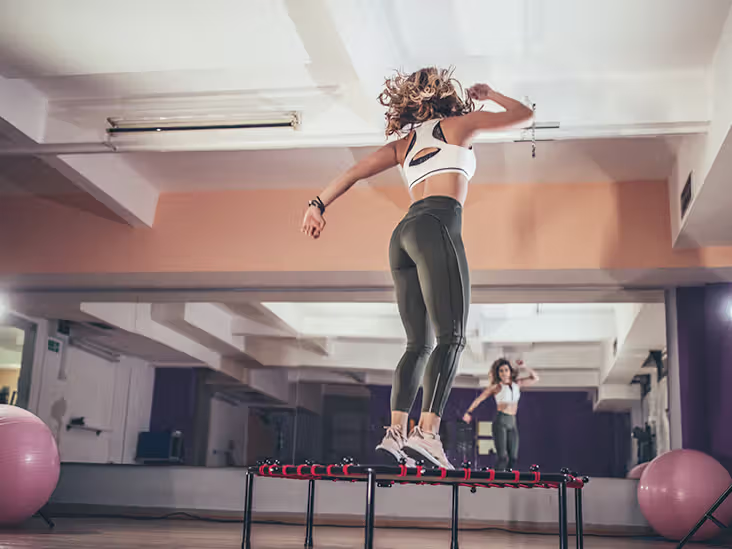
Modern city life in Singapore is efficient, fast paced, and often sedentary. Long hours at desks, extended screen time, and daily commuting can quietly affect how the body feels and functions. Many people describe symptoms such as heavy legs, persistent fatigue, mild swelling around the ankles, or a general feeling of sluggishness even when they try to stay active. These experiences are often linked to how well the lymphatic system is moving.
This is where trampoline fitness singapore becomes a surprisingly relevant option. Unlike conventional cardio that relies on repetitive ground impact, trampoline based workouts use controlled vertical motion, rhythm, and muscular engagement to stimulate full body movement in a gentler yet highly effective way. When practised consistently and with good technique, this style of exercise fits naturally into Singapore’s urban lifestyle and space constraints.
Trampoline workouts offered by TFX Singapore are designed to combine cardiovascular effort, balance, and muscular control, making them especially suitable for people looking to support circulation and daily energy levels without excessive joint stress.
Understanding the lymphatic system and why movement matters
The lymphatic system plays a crucial role in fluid balance, immune support, and waste removal. Unlike the circulatory system, it does not have a central pump like the heart. Instead, lymph flow depends heavily on muscle contractions, joint movement, breathing patterns, and posture.
When movement is limited for long periods, lymph can pool in the lower body. Over time, this may contribute to sensations such as stiffness, swelling, or a feeling of heaviness, particularly in the legs and hips. Regular, rhythmic movement helps encourage lymph to travel through its network of vessels and nodes more efficiently.
Key factors that support lymphatic movement include:
-
Repeated muscle engagement across large muscle groups
-
Changes in gravity and body position
-
Deep, controlled breathing
-
Consistent but manageable intensity
Trampoline workouts naturally incorporate all of these elements within a single session.
Why trampoline workouts are uniquely effective for lymph flow
Trampoline exercise differs from traditional cardio in how the body interacts with gravity. Each bounce creates a brief moment of weightlessness followed by controlled deceleration. This repeated change in gravitational force encourages fluid movement throughout the body.
Unlike high impact activities, trampoline workouts focus on soft landings and controlled rebounds. This approach allows participants to sustain movement for longer periods, which is particularly helpful for circulation related benefits.
Some unique characteristics that support lymphatic flow include:
-
Continuous vertical motion that stimulates fluid movement
-
Engagement of stabilising muscles in the core and lower body
-
Reduced joint compression compared to hard surface jumping
-
Natural encouragement of rhythmic breathing
In Singapore’s context, where many people spend long hours seated, this form of movement acts as a full body reset rather than just a calorie burning workout.
How xBOUNCE style classes support full body circulation
xBOUNCE trampoline sessions are structured to keep the body moving through varied intensities and directions. Rather than repetitive jumping alone, classes include sequences that challenge balance, coordination, and muscular endurance.
Rhythm and tempo driven movement
Music led movement helps participants maintain consistent pacing. This steady rhythm supports continuous muscle contractions, which assist lymph movement without sudden spikes in strain.
Core engagement for fluid movement
Strong core activation is essential for efficient lymph flow. Controlled bouncing encourages the abdominal muscles to work constantly, supporting posture and internal pressure changes that help fluid travel upward through the body.
Multi directional patterns
Movements are not limited to straight vertical jumps. Side steps, controlled twists, and balance based sequences encourage circulation across different muscle groups and joint angles.
Progressive intensity blocks
Short bursts of higher effort are balanced with recovery phases. This variation prevents excessive fatigue while still providing enough stimulus to encourage full body circulation.
Supporting lymph flow in Singapore’s climate
Humidity and heat are constant considerations in Singapore. High temperatures can contribute to fluid retention, especially when daily movement is limited. Indoor trampoline workouts offer a climate controlled environment where participants can move comfortably without overheating.
Benefits specific to Singapore’s climate include:
-
Reduced reliance on outdoor conditions
-
Lower risk of heat related fatigue
-
Consistent training schedule regardless of weather
-
Easier hydration management during sessions
When movement feels comfortable, consistency becomes easier, which is essential for long term lymphatic support.
Technique cues that enhance benefits
Proper technique matters. Small adjustments can significantly improve how effective trampoline workouts are for circulation and overall comfort.
Soft landings and posture
Landing softly through the mid foot with knees gently bent reduces unnecessary strain. Maintaining an upright posture allows fluid to move more freely through the torso.
Controlled breathing
Breathing deeply and rhythmically supports internal pressure changes that help lymph travel through the chest and abdominal regions.
Relaxed upper body
Tension in the shoulders and neck can restrict movement patterns. Keeping the upper body relaxed allows better flow throughout the system.
Gradual progression
Starting with manageable intensity and gradually increasing session frequency allows the body to adapt without overwhelming the system.
Who may benefit the most from this approach
While trampoline workouts can support general fitness, certain groups may find them particularly helpful for daily comfort and energy.
These include:
-
Office professionals with long sitting hours
-
Individuals experiencing mild leg heaviness after work
-
People seeking low impact cardio options
-
Those returning to exercise after periods of inactivity
It is always advisable for individuals with medical conditions such as diagnosed lymphatic disorders, recent surgeries, or ongoing swelling issues to consult a healthcare professional before starting any new exercise routine.
Integrating trampoline workouts into a weekly routine
Consistency matters more than intensity when supporting lymphatic movement. Short, regular sessions are often more effective than occasional long workouts.
A practical weekly structure may include:
-
Two to three trampoline sessions per week
-
One session focused on lower intensity rhythm and balance
-
One session incorporating moderate cardio intervals
-
Optional light stretching or mobility work on rest days
This approach allows the lymphatic system to receive frequent stimulation without excessive fatigue.
The role of recovery and lifestyle habits
Exercise alone is only part of the picture. Daily habits play a significant role in how the lymphatic system functions.
Supportive habits include:
-
Staying well hydrated throughout the day
-
Taking short movement breaks during work hours
-
Elevating legs briefly in the evening if swelling occurs
-
Prioritising sleep quality for recovery
Trampoline workouts work best when combined with these simple lifestyle adjustments.
Real life FAQs about trampoline workouts and lymphatic health
Can trampoline workouts help with heavy legs after long workdays?
Many people report feeling lighter and more energised after consistent trampoline sessions. The rhythmic muscle engagement and vertical movement can support fluid movement, especially when combined with good hydration and posture habits.
How often should I do trampoline workouts for circulation benefits?
Two to three sessions per week is a practical starting point for most people. Consistency over several weeks is more important than pushing intensity early on.
Is trampoline fitness suitable if I am not very fit?
Yes, sessions can be adjusted based on comfort and experience. Focusing on controlled movement rather than height or speed allows beginners to participate safely while still gaining benefits.
Can trampoline workouts replace walking or other low intensity movement?
They work best as a complement rather than a replacement. Combining trampoline sessions with daily walking creates a balanced movement routine that supports overall circulation.
What should I do if I feel dizzy or uncomfortable during a session?
Stop immediately, hydrate, and rest. Dizziness may be linked to breathing patterns, dehydration, or overexertion. If symptoms persist, consult a healthcare professional before continuing.
Does wearing compression gear help during trampoline workouts?
Some people find light compression socks comfortable, especially if they experience leg heaviness. This is a personal preference and should be discussed with a professional if there are existing circulation concerns.
Can trampoline workouts support immunity through lymph movement?
Movement supports overall lymph function, which plays a role in immune processes. However, exercise should be seen as part of a broader healthy lifestyle rather than a standalone solution.
How long does it take to notice changes in how my body feels?
Some people notice changes in energy and comfort within a few weeks of consistent training. Individual responses vary depending on lifestyle, hydration, and overall activity levels.
By choosing a structured and engaging approach to movement, trampoline workouts offer a practical way to support daily circulation, comfort, and energy within Singapore’s fast moving urban environment.
