

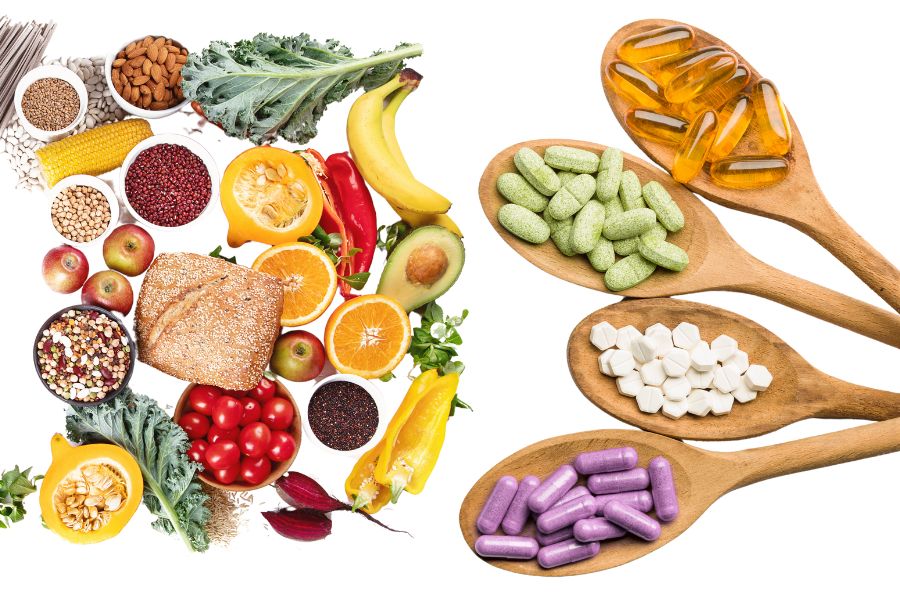
When a healthcare provider writes a prescription, they typically discuss the correct dosage, what time of day to take the pill, and whether to take it with or without food. However, many individuals do not realize that specific everyday foods, beverages, and over-the-counter herbal supplements can drastically change how a medication performs in the body.
These interactions can either render a life-saving drug completely ineffective or cause its levels to rise dangerously high, leading to toxic side effects. Understanding the underlying mechanisms of food-drug and supplement-drug interactions is a critical component of managing your personal health safely.
The Science Behind Medication Interactions
To appreciate how diet impacts pharmacology, it is necessary to examine how the body processes medicine. Once you swallow a pill, it goes through a journey of absorption, distribution, metabolism, and elimination. The liver and the small intestine utilize specific proteins called enzymes to break down foreign substances, making them easier for the body to manage and eventually discard.
Interactions generally fall into two major categories: pharmacokinetic and pharmacodynamic. Pharmacokinetic interactions occur when a food or supplement changes how the body absorbs, metabolizes, or excretes a drug. For example, a compound in your food might destroy the liver enzymes responsible for breaking down a specific medication, leaving too much active medicine circulating in your bloodstream.
Pharmacodynamic interactions happen when a food or supplement has physical properties that directly mimic, enhance, or counteract the effects of a drug. If you take a supplement that naturally lowers blood pressure alongside a prescription blood pressure medication, the combination can cause an additive drop that leaves you dizzy or faint.
Grapefruit and the Enzyme Interference Hazard
Perhaps the most famous food-drug interaction involves grapefruit and grapefruit juice. This citrus fruit contains naturally occurring chemical compounds called furanocoumarins. These compounds target and temporarily disable a vital digestive enzyme located in the small intestine known as CYP3A4.
Under normal circumstances, this enzyme breaks down a large percentage of certain medications before they ever reach the bloodstream, helping to ensure you receive a controlled, steady dose. When grapefruit juice deactivates this enzyme, the body absorbs far more of the medication than intended. This turns a standard, safe dose into an accidental overdose.
This interaction is particularly dangerous for individuals taking statins to lower cholesterol, certain blood pressure drugs, and medications prescribed to prevent organ transplant rejection. Consuming grapefruit while taking these prescriptions can lead to severe muscle breakdown, liver damage, or kidney failure. The enzyme-blocking effect of a single glass of grapefruit juice can last for up to three days, meaning you cannot simply space out your intake to avoid the risk.
Dairy Products and the Absorption Barrier
Calcium is an essential mineral for bone health, but it poses a unique threat to the absorption of certain antibiotics and osteoporosis medications. When you consume calcium-rich foods like milk, yogurt, or cheese, the calcium molecules can physically bind to the medication inside the stomach and small intestine.
This process is known as chelation. The calcium and the drug combine to form a large, insoluble complex that the body cannot absorb through the intestinal wall. As a result, the medication simply passes completely through the digestive tract without entering the bloodstream.
-
Fluoroquinolones and Tetracyclines: These common classes of antibiotics are highly susceptible to calcium binding. Drinking a glass of milk while taking them can drop absorption levels by over fifty percent, preventing the medication from successfully fighting off the underlying infection.
-
Thyroid Medications: Levothyroxine, a hormone replacement therapy for an underactive thyroid, also binds easily to calcium, leading to insufficient hormone levels in the body if taken too close to a dairy-heavy breakfast.
To prevent this issue, patients are typically advised to take these medications at least two hours before or four to six hours after consuming dairy products or calcium supplements.
Leafy Green Vegetables and Blood Clotting Balance
Vitamin K plays an irreplaceable role in the body by helping the blood clot properly, preventing excessive bleeding from minor cuts and injuries. However, this essential vitamin can create a logistical nightmare for individuals prescribed traditional blood thinners, such as warfarin.
Warfarin works by intentionally blocking the body’s ability to use vitamin K, thereby slowing down the clotting process to prevent dangerous strokes or deep vein thrombosis. If a patient suddenly begins eating large amounts of foods rich in vitamin K, such as spinach, kale, collard greens, or Brussels sprouts, the influx of vitamins completely overrides the medication.
The blood becomes thicker, and the risk of developing a dangerous clot rises dramatically. Conversely, if a patient suddenly stops eating these greens entirely, the medication becomes overly potent, increasing the danger of internal bleeding. The clinical goal is not to eliminate leafy greens from the diet entirely, but rather to keep your weekly consumption perfectly consistent so healthcare providers can adjust the drug dose to match your typical lifestyle.
St John’s Wort and the Liver Acceleration Effect
Herbal supplements are often viewed as safe, natural alternatives to pharmaceuticals, but they can be incredibly pharmacologically active. The most notorious offender is St John’s Wort, an over-the-counter herbal remedy frequently used by individuals attempting to manage mild depression or anxiety.
Unlike grapefruit juice, which slows down metabolism, St John’s Wort acts as a powerful inducer of liver enzymes. It signals the liver to produce a massive surplus of metabolic enzymes, causing the body to process and eliminate prescription medications at an accelerated pace.
When a drug is eliminated too quickly, its concentration drops below the therapeutic threshold, rendering it completely useless. St John’s Wort has been documented to cause the failure of oral contraceptives, leading to unplanned pregnancies. It also diminishes the efficacy of critical HIV medications, cancer therapies, and immunosuppressants, making it one of the most hazardous over-the-counter herbal supplements to mix with prescription regimens.
Bananas, Potassium, and Cardiovascular Prescriptions
Potassium is critical for maintaining healthy nerve and muscle function, especially within the cardiovascular walls. Certain medications used to manage high blood pressure and heart failure, specifically angiotensin-converting enzyme (ACE) inhibitors and angiotensin receptor blockers (ARBs), naturally cause the kidneys to retain potassium rather than excrete it through urine.
If you regularly consume high-potassium foods like bananas, avocados, sweet potatoes, and dried apricots while taking these blood pressure drugs, the total potassium levels in your body can climb to unsafe heights. This condition, known medically as hyperkalemia, can alter the electrical signals in the heart, leading to dangerous heart palpitations, severe muscle weakness, or life-threatening cardiac arrhythmias.
Frequently Asked Questions
Can I drink coffee or tea when taking my daily medications?
Caffeine and tannins found in coffee and tea can interfere with several drugs. Caffeine can dangerously intensify the effects of stimulant medications, while the tannins can bind to iron supplements and certain psychiatric medications in the stomach, preventing them from being properly absorbed into the system. It is safest to take medications with a full glass of plain water.
Why does the warning label on my medication mention avoiding aged cheeses and cured meats?
Certain older antidepressants, known as monoamine oxidase inhibitors (MAOIs), prevent the breakdown of tyramine, an amino acid found in aged cheeses, cured meats, and fermented foods. A buildup of tyramine can cause a sudden, catastrophic spike in blood pressure that constitutes a medical emergency.
Is it safe to take a standard multivitamin with my prescription drugs?
Multivitamins often contain minerals like iron, zinc, and magnesium that can bind to prescription pills in the digestive tract, neutralizing their effects. If you take a daily multivitamin, it is best to separate its consumption from your prescription medications by at least two hours to guarantee optimal absorption of both.
How does fiber alter the effectiveness of prescription medication?
High-fiber foods, such as oatmeal, whole grains, and flaxseed, can slow down the rate at which the stomach empties and physically trap medication molecules. This delays or reduces the total amount of medicine that makes it into the bloodstream, which is particularly problematic for diabetes drugs and heart failure medications.
Can herbal supplements like Ginkgo Biloba interact with pain relievers?
Yes, Ginkgo Biloba has mild blood-thinning properties. If you take it alongside over-the-counter anti-inflammatory drugs like ibuprofen or prescription blood thinners, the combination can significantly increase your risk of bruising, nosebleeds, and serious internal bleeding.
Should I stop taking all supplements before undergoing a scheduled surgery?
Medical professionals universally recommend stopping all herbal supplements and high-dose vitamins at least two weeks before any scheduled surgical procedure. Many supplements interfere with blood clotting, blood pressure stability, or the anesthesia drugs used during the operation.
