

The desire to maintain youthfulness, vitality, and physical health as the years pass is a fundamental human trait. In the past, aging interventions were largely limited to topical cosmetics, basic lifestyle adjustments, and invasive surgical procedures like traditional facelifts. However, scientific advancements have completely transformed the longevity and aesthetic landscapes.
Modern anti-aging medicine spans an intricate spectrum of care. It encompasses everything from cellular therapies and hormone optimization to sophisticated non-surgical aesthetic enhancements. As these treatments become more mainstream, understanding their biological benefits, ongoing maintenance requirements, and direct financial costs is essential for making informed healthcare decisions.
The Evolution of Longevity and Aesthetic Medicine
To evaluate modern options accurately, you must distinguish between the two primary pillars of anti-aging treatment: aesthetic interventions and systemic longevity interventions. Aesthetic procedures target the visible signs of time on the external surfaces of the body, primarily the face, neck, and hands. Longevity medicine, by contrast, targets the internal biological mechanisms of cellular decline to extend a person’s healthspan, which is the period of life spent free from chronic disease.
The rapid rise of these treatments is driven by biotechnology breakthroughs. Researchers now possess a deeper understanding of cellular senescence, a process where older cells stop dividing but refuse to die, releasing inflammatory chemicals that damage surrounding tissues. By combining cellular science with precise dermatological tools, modern medicine aims to slow down or even temporarily reverse both internal and external decline.
Aesthetic Interventions: Non-Surgical Rejuvenation
Non-surgical cosmetic procedures have grown exponentially due to their minimal downtime and predictable results. Rather than relying on major surgical alteration, clinicians use targeted injectables and energy devices to restore structural balance.
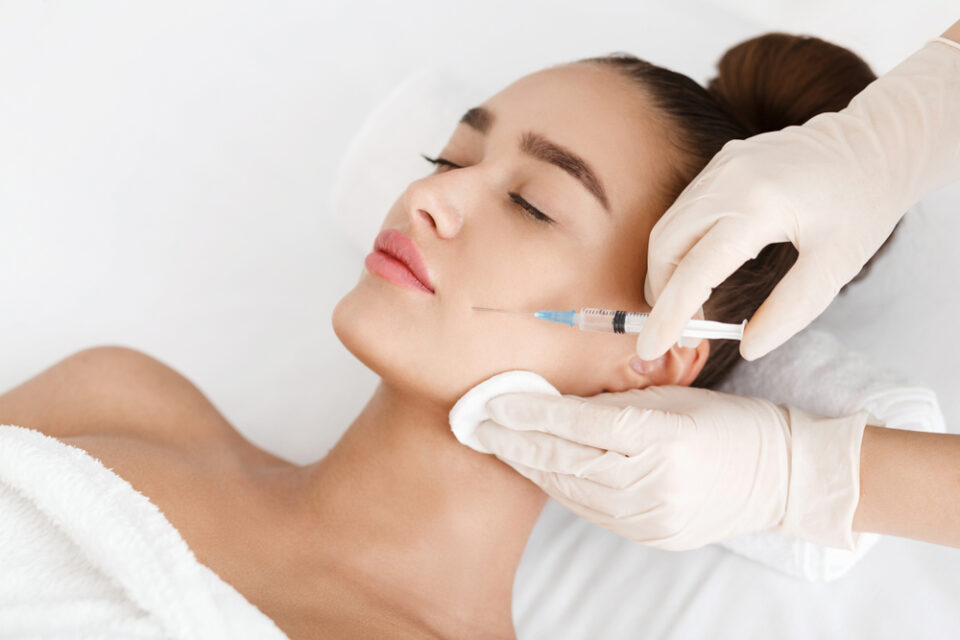
Neuromodulators like botulinum toxin type A work by temporarily blocking the chemical signals that cause specific muscles to contract. By relaxing these muscles, the skin smoothing above them softens, preventing static wrinkles from forming or deepening. Dermal fillers, primarily composed of bio-compatible hyaluronic acid or calcium hydroxylapatite, physically restore lost volume in the cheeks, lips, and under-eye hollows while stimulating localized collagen synthesis.
-
Neuromodulators: These are typically priced per unit or per treatment zone. A single session targeting the forehead, frown lines, or crow’s feet ranges from three hundred to eight hundred dollars. Because the body naturally metabolizes the protein, treatments must be repeated every three to four months to maintain results.
-
Dermal Fillers: Priced per syringe, these formulations generally cost between six hundred and one thousand two hundred dollars per unit. Depending on the density of the product and the area treated, fillers last from six months to two years.
Energy-Based Resurfacing and Skin Tightening
For structural skin laxity and texture issues, energy-based devices offer alternatives to surgical lifts. These technologies work by creating controlled, microscopic injuries in the deeper layers of the skin, triggering the body’s natural wound-healing cascade.
Fractional laser resurfacing utilizes concentrated light beams to vaporize damaged surface cells while heating the underlying dermis. This processes eliminates hyperpigmentation, smooths acne scars, and forces the production of fresh, organized collagen fibers. Intense Pulsed Light (IPL) therapies target vascular lesions and sun damage specifically.
Radiofrequency (RF) microneedling combines physical needles with thermal energy to tighten deep structural tissues. A comprehensive series of three to four sessions for advanced laser or RF treatments costs between one thousand five hundred and four thousand dollars. Maintenance sessions are typically recommended annually to counter natural ongoing aging.
Systemic Anti-Aging: Hormone Optimization and Cellular Health
Internal longevity treatments focus heavily on biochemical balance. Hormone replacement therapies (HRT) seek to restore declining levels of testosterone, estrogen, progesterone, or thyroid hormones to the optimal baselines experienced during early adulthood.
Proponents utilize bioidentical hormones, which match the exact molecular structure of human hormones, to alleviate chronic fatigue, cognitive fog, muscle loss, and metabolic slowdowns. The initial diagnostic lab work and specialist consultations for HRT generally cost between five hundred and one thousand five hundred dollars, with ongoing monthly medication and monitoring fees ranging from one hundred to three hundred dollars.
On the cellular frontier, treatments involving intravenous (IV) infusions of Nicotinamide Adenine Dinucleotide (NAD+) have gained massive popularity. NAD+ is a coenzyme found in all living cells that is essential for cellular energy production and DNA repair. Levels drop naturally by half as we reach middle age. Infusion programs designed to boost cellular vitality cost between two hundred fifty and eight hundred dollars per session, frequently requiring multiple sessions annually.
The Long-Term Financial Planning of Anti-Aging
A critical reality of anti-aging medicine is that it represents an ongoing investment rather than a single, fixed cost. Because these treatments alter dynamic biological systems, the effects wear off as the body continues its natural chronological progression.
Because these procedures are considered elective and cosmetic, they are not covered by standard health insurance plans. A dedicated consumer must view these expenses through the lens of an annual budget. Stopping treatments will not cause accelerated aging, but it will allow the body to return to its natural baseline over time. Therefore, building a sustainable financial strategy is just as important as selecting the right physician.
Frequently Asked Questions
What is the ideal age to begin preventative aesthetic anti-aging treatments?
There is no universal chronological age to begin treatments, as genetics, sun exposure, and lifestyle heavily dictate skin quality. Many individuals begin using neuromodulators in their late twenties or early thirties as a preventative measure to stop dynamic expression lines from becoming permanently etched into the skin as deep wrinkles.
What are the main physical risks associated with dermal fillers?
While generally safe when administered by a licensed professional, dermal fillers carry risks including localized bruising, asymmetry, swelling, and the formation of small inflammatory nodules. The most severe, albeit rare, complication is accidental vascular occlusion, which occurs when filler enters a blood vessel and blocks blood flow. Experienced clinicians carry an enzyme called hyaluronidase to immediately dissolve hyaluronic acid fillers if this occurs.
How does medical-grade anti-aging skincare differ from over-the-counter options?
Medical-grade skincare products contain higher concentrations of active ingredients, such as stabilized retinoids, vitamin C, and growth factors, formulated to penetrate deep past the dead surface layers of the skin. By law, these highly potent formulations can only be dispensed by licensed medical practices, whereas over-the-counter cosmetics are restricted to lower concentrations to ensure safety for universal consumer use without supervision.
Are bioidentical hormones safer than traditional synthetic hormone therapies?
Bioidentical hormones are synthesized from plant sources to perfectly mirror the chemical structure of human hormones, which many clinicians believe allows for more predictable metabolism. However, extensive clinical consensus indicates that all hormone replacement therapies carry similar baseline risks and benefits, requiring comprehensive blood panels and ongoing medical supervision regardless of the structural source.
What is the primary difference between a facelift and non-surgical thread lifts?
A surgical facelift removes excess skin, tightens deep muscular layers, and provides structural results that can last a decade or more, requiring significant surgical downtime. A thread lift is a non-surgical procedure that uses temporary, dissolvable barbed sutures placed under the skin to mechanically lift sagging tissues. Thread lifts require minimal downtime but only provide subtle results lasting twelve to eighteen months.
How do lifestyle factors influence the overall success of anti-aging therapies?
No medical procedure can completely override a poor lifestyle baseline. Chronic sun exposure, cigarette smoking, poor sleep quality, and high sugar diets accelerate glycation, a process that actively destroys collagen and elastin fibers. Combining advanced clinical procedures with rigorous sun protection, a nutrient-dense diet, and proper hydration drastically extends the lifespan and quality of your clinical results.
