

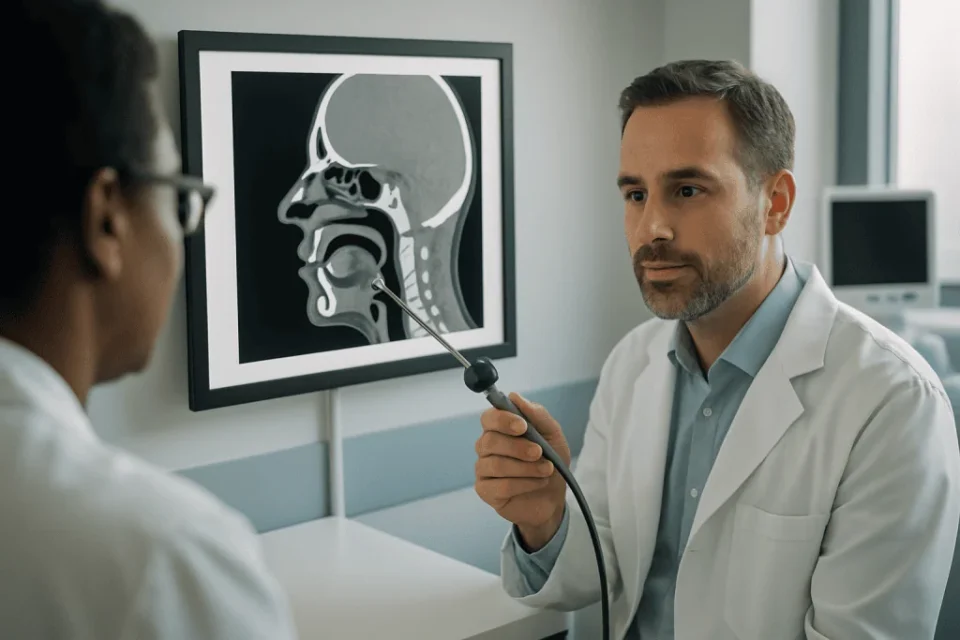
Persistent facial pressure, endless congestion, and headaches that never seem to clear can turn everyday life into an exhausting struggle. While a short-term sinus infection typically resolves within a week or two, millions of individuals experience symptoms that linger for months on end. When over-the-counter decongestants, home remedies, and general prescription medications fail to provide lasting relief, the issue often transitions into a chronic condition. Ear, Nose, and Throat specialists, commonly known as ENTs or otolaryngologists, possess the targeted expertise and specialized diagnostic tools required to look beyond surface-level symptoms.
By systematically evaluating the delicate architecture of the nasal passages and analyzing underlying systemic factors, these experts can pinpoint the precise causes of ongoing inflammation and design an effective pathway toward recovery. Consulting an ent for sinus problems is often the best step when chronic facial pressure and congestion do not improve with standard over-the-counter treatments.
The Complexity of Chronic Sinusitis
Understanding how an ENT approaches diagnosis begins with recognizing the true nature of chronic sinusitis. Unlike an acute sinus infection, which is usually driven by a transient viral or bacterial pathogen, chronic sinusitis is defined as persistent inflammation of the paranasal sinuses lasting twelve weeks or longer, despite medical intervention. The sinuses are air-filled cavities located behind the forehead, cheeks, eyes, and nasal bridge, all lined with a delicate mucous membrane.
When healthy, these passages allow air to flow freely and mucus to drain smoothly into the throat. When chronic inflammation takes root, the tissues swell, trapping fluid and obstructing airflow. Because this condition can stem from structural anomalies, immune system triggers, or chronic micro-organisms, identifying the primary cause requires a comprehensive medical strategy rather than a one-size-fits-all approach.
Comprehensive Patient History and Symptom Mapping
The diagnostic journey almost always begins with a detailed, in-depth consultation. An ENT specialist spends significant time gathering a thorough medical history, examining not only current complaints but also past health patterns. Patients are often asked to detail the onset, duration, and specific triggers of their symptoms, which may include persistent nasal obstruction, discolored discharge, reduced sense of smell, facial pain, or persistent coughing. The physician also reviews environmental exposures, occupation, past treatments, and known allergies. This initial mapping helps separate primary sinus disorders from mimicking conditions like tension headaches, temporomandibular joint issues, or atypical facial pain, laying a clear foundation for targeted physical examinations.
Diagnostic Nasal Endoscopy
To gain a clear, direct view of the deeper nasal passages and sinus drainage pathways, the ENT relies on diagnostic nasal endoscopy. During this minimally invasive, in-office procedure, the physician inserts a thin, flexible or rigid tube equipped with a tiny camera and light source into the nostrils. To ensure patient comfort, a topical anesthetic and decongestant spray is applied prior to insertion.
The endoscope allows the specialist to examine the osteomeatal complex, the critical area where the major sinuses drain into the nose. Through high-definition visual inspection, the physician can detect subtle structural issues, localized swelling, tissue changes, hidden polyps, and small anatomical obstructions that are entirely invisible during standard routine exams.
Microbiological and Pathogenic Analysis
In some instances, chronic sinusitis is maintained by subtle, low-grade infections that resist standard antibiotic regimens. During a nasal endoscopy, the specialist can obtain a precise, targeted culture directly from the sinus drainage pathways using a small swab or suction instrument. Collecting a sample straight from the source prevents contamination from harmless bacteria inhabiting the front of the nose.
The sample is sent to a laboratory for microbiological testing to identify the exact bacteria or fungi present, along with their specific antibiotic sensitivities. This precise diagnostic step ensures that subsequent medical treatments target the actual pathogen involved, preventing the misuse of broad-spectrum medications.
Conclusion
Resolving chronic sinus problems requires moving past short-term symptom relief and focusing on the underlying root causes. Through a combination of thorough clinical evaluations, diagnostic nasal endoscopy, high-resolution CT imaging, targeted cultures, and allergy testing, an ENT specialist can unravel the multifaceted nature of persistent sinus disorders. Whether the underlying culprit is a structural blockage like a deviated septum, an allergic response, or a persistent microbial infection, obtaining an accurate diagnostic profile is the critical first step. By clearly identifying what drives the inflammation, specialists can craft personalized, targeted treatment plans that restore natural airflow, encourage proper drainage, and offer long-overdue relief.
