

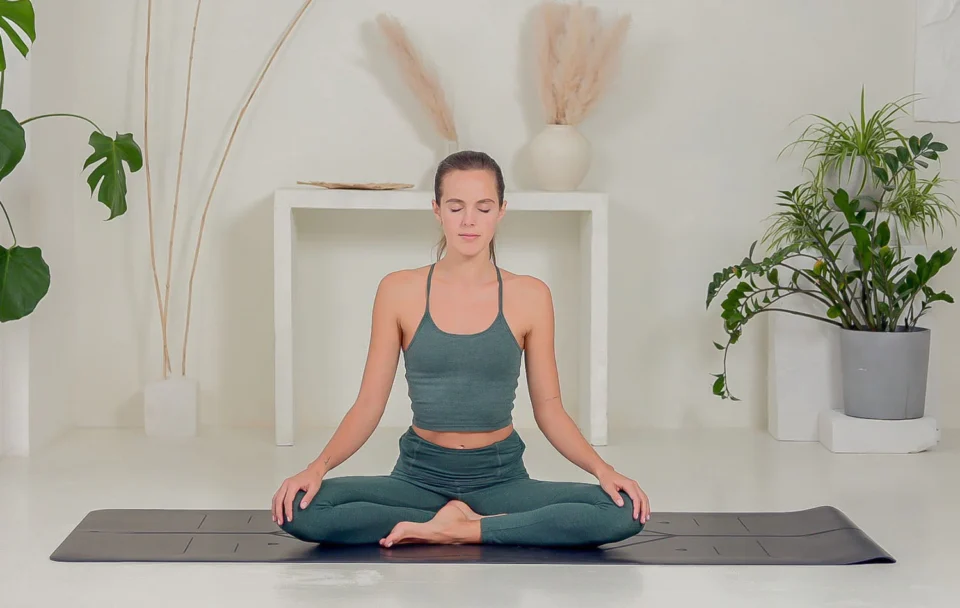
In an era defined by speed, distraction, and digital saturation, the art of stillness has never felt more radical. Amid the perpetual hum of notifications and the relentless pursuit of productivity, meditation stands as a quiet countercurrent—an ancient practice that offers profound benefits for modern life. Far from a passing trend or mere wellness buzzword, meditation is a time-honored discipline that fosters clarity, balance, and resilience in an increasingly chaotic world.
At its essence, meditation is the practice of focused awareness. It involves training the mind to anchor itself in the present moment, whether through the breath, bodily sensations, a mantra, or simple observation of thoughts. This deceptively simple act holds the potential to rewire our neurological patterns, transform our emotional landscapes, and illuminate the subtleties of human consciousness.
The Historical Roots of Meditation
Meditation’s origins stretch back thousands of years, with roots in the spiritual and philosophical traditions of India, China, and other parts of Asia. In Hinduism and later in Buddhism, meditation was cultivated as a pathway to enlightenment—a means of transcending the ego and experiencing unity with the cosmos. Taoist practices emphasized harmony with the natural world, encouraging practitioners to align their inner rhythms with those of the universe.
These ancient traditions approached meditation not merely as a mental exercise, but as a spiritual journey. It was both a method and a destination: a tool to quiet the fluctuations of the mind and a means to glimpse the deeper truths of existence. While its philosophical dimensions remain central in many parts of the world, meditation has also evolved into a secular practice embraced by people from all walks of life, irrespective of spiritual or religious affiliation.
The Science Behind the Stillness
Modern neuroscience has begun to validate what meditators have intuited for centuries—that the mind is not fixed, but malleable. Research using functional MRI and other imaging techniques has shown that regular meditation can lead to structural changes in the brain. The prefrontal cortex, responsible for decision-making and self-regulation, becomes more active and even denser with consistent practice. Meanwhile, the amygdala—often associated with stress and fear—tends to shrink, leading to reduced reactivity and heightened emotional balance.
Cognitive benefits are equally compelling. Studies suggest that meditation improves attention span, memory retention, and cognitive flexibility. In a world where multitasking has become the norm, the ability to sustain focus is a rare and valuable skill—one that meditation helps cultivate through deliberate mental training.
Beyond the brain, meditation has a measurable impact on the body. It has been linked to lower blood pressure, improved immune response, and better sleep quality. These physiological effects are not simply byproducts of relaxation; they are the result of a more regulated autonomic nervous system, which meditation helps to balance by activating the body’s natural “rest and digest” mechanisms.
Mental Health and Emotional Intelligence
Perhaps one of meditation’s most profound contributions lies in its effect on mental health. Anxiety and depression—ubiquitous in modern society—often stem from ruminative thought patterns and a disconnection from the present. Meditation teaches us to observe our thoughts without becoming entangled in them. This non-reactive stance, often referred to as “mindfulness,” can disrupt the negative feedback loops that fuel emotional distress.
Mindfulness-based therapies have become a staple in contemporary psychology, with programs such as Mindfulness-Based Stress Reduction (MBSR) and Mindfulness-Based Cognitive Therapy (MBCT) showing promising results in clinical trials. These interventions help individuals develop a healthier relationship with their thoughts and emotions, fostering greater self-awareness and emotional intelligence.
Moreover, meditation nurtures qualities that are often overlooked in our pursuit of external success—compassion, patience, equanimity. Practices like loving-kindness meditation (metta) explicitly focus on cultivating goodwill toward oneself and others, reinforcing the interconnectedness that underlies human experience.
The Practice and Its Many Forms
Meditation is not a monolith. It encompasses a wide variety of techniques, each with its own unique flavor and emphasis. Mindfulness meditation, perhaps the most widely practiced in the West, encourages open awareness and non-judgmental attention to the present moment. Transcendental Meditation uses the repetition of a mantra to settle the mind into a state of restful alertness. Zen, or Zazen, emphasizes posture and breath, guiding practitioners toward insight through direct experience rather than conceptual thought.
For those new to meditation, the abundance of styles may seem overwhelming. The key, however, is not to find the “perfect” technique, but rather to commit to consistency. Even five or ten minutes a day can yield noticeable benefits over time. As with physical exercise, the cumulative effect is where the true transformation lies.
Meditation in the Digital Age
Ironically, technology—which so often distracts us—has also become a tool for mindfulness. Meditation apps, online courses, and virtual retreats have democratized access to instruction, making the practice more approachable than ever before. Yet, there is a cautionary note here: while digital tools can facilitate practice, they are not a substitute for inner work. The real journey takes place within, in the silent space between thoughts, where attention gently returns again and again to the anchor of awareness.
As meditation becomes increasingly mainstream, there is also a risk of dilution. When stripped of its deeper context, meditation can be reduced to a performance hack or stress-reduction technique. While these benefits are real and valuable, they represent only a fraction of what meditation offers. At its core, meditation is a practice of self-inquiry—a method of awakening to the full range of our human experience.
Conclusion: A Return to Presence
Meditation invites us to slow down, to turn inward, and to reconnect with the immediacy of the present moment. It is not an escape from reality but a deeper immersion into it. In the stillness of meditation, we learn to see more clearly, to feel more fully, and to respond more wisely to the challenges of life.
As the world grows louder and more fragmented, the silent revolution of meditation continues quietly, person by person, breath by breath. It is a practice rooted in ancient wisdom yet perfectly suited to the complexities of contemporary life. And perhaps that is its greatest gift: in teaching us to be here, now, meditation offers not just relief from stress, but a profound path toward clarity, connection, and inner peace.
