

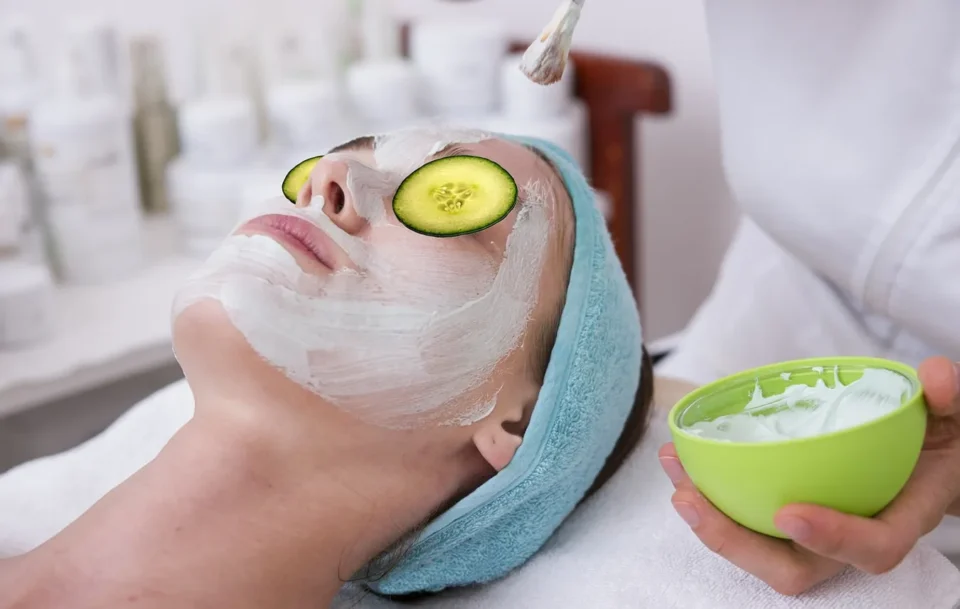
In an age where beauty standards are often portrayed through the glossy filters of social media, skin care has evolved from a simple routine into a multi-faceted art form. The skincare industry, once focused on basic cleansing and moisturizing, has exploded into an expansive universe of serums, exfoliators, masks, and sunscreens, each promising to unlock the secret to flawless skin. However, behind the allure of trendy products and the constant tide of new treatments lies a deeper truth: skin care is as much about understanding your skin as it is about choosing the right products. It is a delicate balance between science and self-care, where consistency and knowledge are paramount.
The Skin: Our Body’s Largest Organ
To truly understand the importance of skincare, it is essential to first appreciate the role that our skin plays in our overall health. The skin is not merely a cosmetic feature; it is our body’s first line of defense against the outside world. Composed of multiple layers, including the epidermis, dermis, and hypodermis, skin functions as a barrier that protects us from environmental stressors like pollution, UV radiation, and harmful microorganisms. Additionally, the skin regulates temperature, enables sensation, and even produces Vitamin D when exposed to sunlight.
Given the skin’s crucial role, it is no surprise that it is also one of the first areas to show signs of stress, aging, or environmental damage. From acne and hyperpigmentation to wrinkles and dryness, various skin concerns reflect not only external influences but also internal factors such as diet, hydration, and hormonal balance. In this light, skin care becomes a practice of nurturing and maintaining this vital organ, ensuring its integrity and health over time.
The Fundamentals of Skin Care: Cleansing, Hydrating, and Protecting
While the skincare market may offer an overwhelming number of products, the foundations of any effective skincare routine remain largely unchanged. A balanced regimen typically involves three basic steps: cleansing, hydrating, and protecting.
-
Cleansing
Cleansing is the first and most crucial step in any skincare routine. Our skin is exposed to environmental pollutants, dirt, and excess oils every day, making it essential to remove these impurities to prevent clogged pores, irritation, and breakouts. However, the key to effective cleansing is choosing a product that suits your skin type. Those with oily skin may benefit from gel-based cleansers that can effectively remove sebum, while individuals with dry skin may prefer a creamy, hydrating cleanser that won’t strip away natural oils.
Over-cleansing, however, can be a mistake. The skin’s natural oils serve as a protective barrier, and overzealous cleansing can disrupt this delicate balance, leading to irritation and dryness. Thus, a gentle, consistent cleansing routine is all that is needed to maintain healthy skin.
-
Hydrating
Moisturizing is the second fundamental step. Hydration is key to maintaining the skin’s elasticity, softness, and overall function. Properly hydrated skin is less prone to irritation and has a healthy, youthful appearance. There is a common misconception that oily skin doesn’t require moisturizer, but in reality, every skin type needs hydration. The trick is to find the right product for your unique skin concerns. Lightweight, oil-free moisturizers are ideal for oily skin, while richer, more emollient creams work wonders for dry or mature skin.
Hyaluronic acid has become a favorite ingredient in the world of skincare for its ability to draw moisture into the skin. It is an excellent choice for hydrating the skin without feeling heavy or greasy. Additionally, incorporating products with ceramides and fatty acids can help restore the skin’s natural moisture barrier, ensuring long-lasting hydration.
-
Protecting
Perhaps the most crucial step in any skincare regimen is sun protection. The harmful effects of UV rays are well-documented and include premature aging, hyperpigmentation, and an increased risk of skin cancer. Sunscreen is a non-negotiable part of any skin care routine, even on cloudy days or during winter months. Broad-spectrum sunscreens that protect against both UVA and UVB rays are essential for maintaining healthy skin. SPF 30 or higher is generally recommended, though individuals with lighter skin or those prone to sunburn may opt for higher SPF formulations.
Sunscreen should be applied generously and reapplied every two hours when outdoors. Beyond sunscreen, wearing hats, sunglasses, and protective clothing can further shield the skin from harmful rays.
Targeted Treatments: Addressing Specific Concerns
Beyond the core elements of cleansing, hydrating, and protecting, many individuals seek targeted treatments to address specific skin concerns, such as acne, pigmentation, or signs of aging. These treatments often incorporate active ingredients that work at a deeper level to improve skin texture, tone, and overall health.
-
Acne
Acne remains one of the most common and persistent skin concerns, affecting individuals of all ages. While it is often associated with adolescence, acne can persist into adulthood, triggered by hormonal fluctuations, stress, or diet. Topical treatments containing ingredients such as salicylic acid, benzoyl peroxide, or retinoids can help regulate sebum production, prevent clogged pores, and reduce inflammation. -
Pigmentation and Hyperpigmentation
Uneven skin tone, dark spots, and hyperpigmentation are also prevalent concerns, particularly among individuals with darker skin tones. Conditions like melasma or sun-induced hyperpigmentation can be frustrating to manage, but targeted ingredients such as Vitamin C, niacinamide, and alpha hydroxy acids (AHAs) can help brighten the skin and fade discoloration over time. -
Anti-Aging
As we age, the production of collagen and elastin in the skin diminishes, leading to the appearance of fine lines and wrinkles. To combat these signs of aging, many people incorporate products with retinol (a derivative of Vitamin A), peptides, and antioxidants into their routine. These ingredients help stimulate collagen production, promote cell turnover, and protect the skin from free radical damage, contributing to a smoother, more youthful complexion.
The Psychology of Skin Care: A Ritual of Self-Care
While the physical benefits of skin care are clear, there is an undeniable psychological aspect to the practice as well. For many, the act of applying skincare products becomes a form of self-care—a moment of personal indulgence in an otherwise chaotic world. Taking time each day to focus on your skin, to nourish it, and to give it the attention it deserves can have a calming, therapeutic effect. This ritual can become a space for mindfulness, helping to reduce stress and promote overall well-being.
Moreover, the practice of self-care through skincare can boost self-confidence. Healthy, glowing skin often correlates with how we feel about ourselves, and the act of caring for our appearance can have a profound impact on mental health. Feeling comfortable and confident in one’s skin is not merely about achieving perfection, but about embracing and nurturing one’s natural beauty.
Conclusion: A Personalized Approach to Skin Care
In the pursuit of healthy, radiant skin, there is no one-size-fits-all solution. Skin care is a deeply personal journey, shaped by individual skin types, concerns, and goals. While trends may come and go, the foundation of effective skin care remains grounded in the basics—cleansing, moisturizing, and protecting. With a deeper understanding of the skin’s needs and a thoughtful approach to the products we choose, we can achieve not only a healthier complexion but also a greater sense of well-being. Ultimately, skin care is about more than just the products we apply; it is about cultivating a relationship with our skin that honors and supports its natural vitality.
