

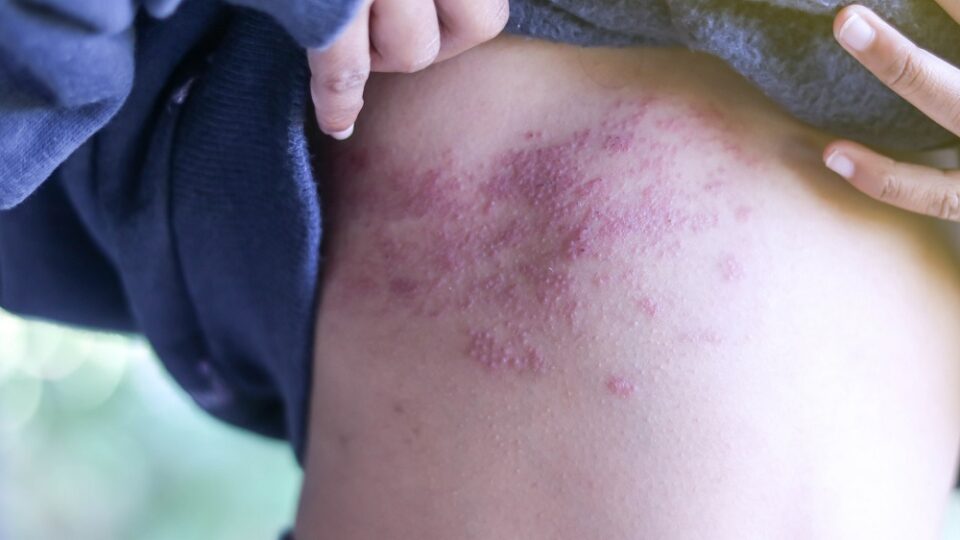
Disease is as old as life itself—a persistent shadow trailing every living organism. From microscopic pathogens to genetic mutations, disease assumes myriad forms, each a complex disruption of the body’s finely tuned systems. But beyond its biological underpinnings, disease also reflects the society it affects, unveiling the vulnerabilities of individuals, communities, and even global institutions.
In its most basic definition, disease is a deviation from health. It may arise from external agents such as bacteria, viruses, and parasites, or emerge from within, as is the case with autoimmune disorders, cancers, and hereditary conditions. Yet, to reduce disease to a mere technical malfunction would be to overlook its broader dimensions. Disease intersects with culture, economy, psychology, and public policy. It is not only a matter of cells gone awry but also a mirror of the human condition.
The Evolution of Disease: A Constant Arms Race
Historically, humanity’s relationship with disease has been defined by a constant state of adaptation. Early civilizations, lacking germ theory, often attributed illness to supernatural causes or imbalances in bodily humors. Remedies ranged from herbal concoctions to elaborate rituals. While rudimentary, these early approaches laid the foundation for what would eventually evolve into the disciplines of medicine and public health.
The scientific revolution brought a seismic shift. The discovery of microbes by pioneers like Antonie van Leeuwenhoek and the later work of Louis Pasteur and Robert Koch provided concrete evidence for the biological origins of disease. Vaccination, antisepsis, and antibiotics transformed the medical landscape, significantly reducing mortality and morbidity.
However, the story is far from over. Pathogens evolve. Antibiotic resistance, viral mutations, and the emergence of novel zoonotic diseases remind us that our victories are often temporary. COVID-19, with its global reach and multifaceted impact, underscored how quickly a new disease can overwhelm modern infrastructure, economies, and societies.
The Many Faces of Disease
Diseases are traditionally classified into communicable and non-communicable types. Communicable diseases, such as tuberculosis, HIV/AIDS, and malaria, are infectious and often thrive in areas with poor sanitation, inadequate healthcare, or overcrowding. They are particularly devastating in low-income countries, where prevention and treatment resources are limited.
Non-communicable diseases (NCDs), on the other hand, are often linked to lifestyle, genetics, and environmental exposure. Heart disease, diabetes, cancer, and chronic respiratory conditions fall into this category. These diseases tend to be long-term, requiring ongoing management rather than cure, and they are now the leading cause of death globally.
Mental health disorders, though often neglected in traditional classifications, are increasingly recognized as serious and disabling diseases. Depression, anxiety, bipolar disorder, and schizophrenia impact not just emotional well-being but physical health, productivity, and interpersonal relationships. The stigma surrounding these conditions can be as damaging as the symptoms themselves, deterring individuals from seeking help.
The Social Determinants of Disease
A critical shift in the understanding of disease has been the growing awareness of social determinants—the conditions in which people are born, grow, live, work, and age. Factors such as income, education, housing, access to nutritious food, and exposure to violence or pollution play a significant role in determining health outcomes.
For example, asthma rates are disproportionately higher in communities located near industrial zones or congested highways. Obesity and Type 2 diabetes often correlate with food deserts—areas lacking affordable, nutritious food options. Even infectious diseases spread more readily in environments where public sanitation and healthcare access are inadequate.
Thus, tackling disease requires more than medical intervention. It demands holistic policies that address inequality, improve living conditions, and empower individuals with knowledge and resources.
Technology and the Future of Disease Management
We are witnessing an era where technology is rapidly transforming how we understand, diagnose, and treat disease. Genomic sequencing allows for the identification of genetic predispositions and the development of targeted therapies. Personalized medicine, where treatment is tailored to the individual’s genetic makeup, is shifting the paradigm from reactive to proactive healthcare.
Artificial intelligence is being harnessed to predict disease outbreaks, interpret medical imaging, and even assist in surgery. Meanwhile, wearable devices and mobile health applications offer real-time monitoring and early warnings for conditions like arrhythmias or high blood sugar, giving patients unprecedented control over their health.
However, this rapid progress comes with ethical and logistical challenges. Data privacy, algorithmic bias, and disparities in access to technology must be addressed to ensure that advancements do not widen existing health gaps.
Global Cooperation in Disease Control
Diseases know no borders. The interconnected nature of today’s world means that an outbreak in one region can quickly become a global threat. This reality underscores the importance of international cooperation. Institutions like the World Health Organization play a vital role in coordinating responses, sharing data, and providing support to countries in crisis.
Vaccine distribution, for instance, became a contentious issue during the COVID-19 pandemic, revealing stark inequalities between wealthy and low-income nations. Ensuring equitable access to life-saving interventions remains one of the great moral challenges of our time.
Moreover, climate change is emerging as a force multiplier for disease. Rising temperatures expand the habitats of disease-carrying vectors like mosquitoes, increasing the risk of outbreaks in previously unaffected areas. Air pollution exacerbates respiratory conditions, while extreme weather events strain healthcare systems and create conditions ripe for disease spread.
Conclusion: Rethinking Our Relationship with Disease
Disease is not merely an adversary to be vanquished, but a phenomenon to be understood in its full complexity. It teaches us about biology, but also about vulnerability, resilience, and the deep interdependence of human society.
As we move forward, the challenge lies not just in developing more powerful treatments but in cultivating a more compassionate, inclusive, and comprehensive approach to health. Recognizing that health is influenced as much by social structure as by scientific innovation allows us to build systems that are both effective and just.
