

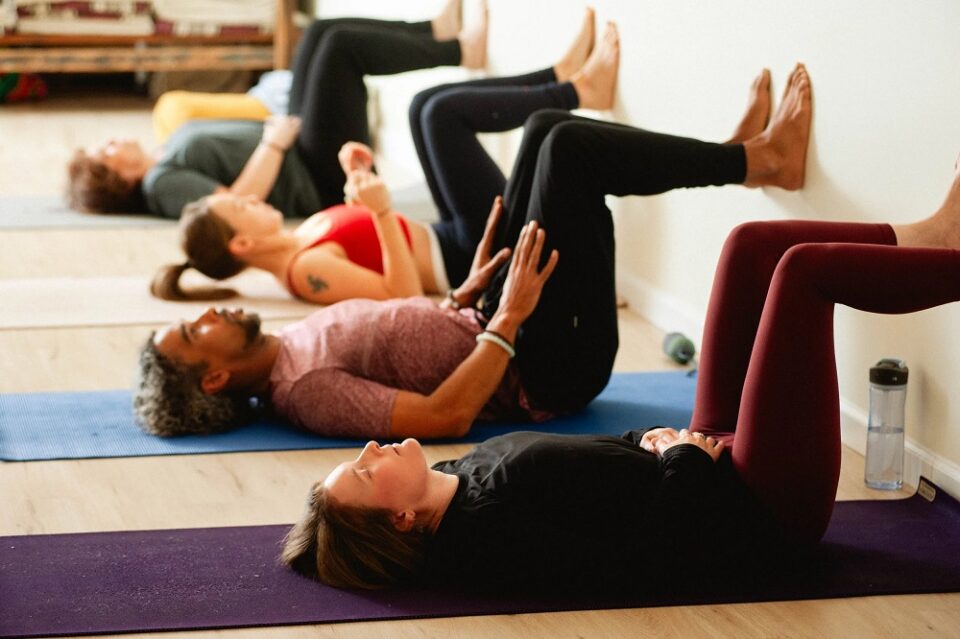
Late evenings in Singapore rarely feel calm. Work messages stretch beyond office hours, traffic noise lingers, meals happen late, and screens stay bright until bedtime. Many people want better sleep but do not want another rigid routine. An intelligently designed yoga studio Singapore experience can support sleep without forcing extreme discipline or early nights. The key is understanding how evening classes influence the nervous system, body temperature, and mental state before bed.
This article explores how sleep-optimised yoga works in real life, what makes evening classes helpful rather than disruptive, and how studios and students can make better choices that translate into deeper rest.
Why Evening Yoga Can Help or Harm Sleep
Evening movement is a double-edged sword. Done well, it releases tension and settles the mind. Done poorly, it raises adrenaline and delays sleep.
Factors that decide the outcome include
-
Class intensity and pacing
-
Heat and room temperature
-
Breath patterns used
-
Transition speed between poses
-
How the class ends
Sleep-friendly classes focus on calming the nervous system rather than chasing sweat or achievement.
Understanding the Body’s Sleep Signals
Sleep is regulated by multiple signals working together. Two of the most important are nervous system tone and body temperature.
For sleep to happen smoothly
-
Heart rate needs to slow
-
Breathing must become steady and quiet
-
Muscles should release unnecessary tension
-
Core temperature gradually drops
Evening yoga supports sleep when it nudges the body in this direction instead of pushing it into alertness.
Timing Evening Classes for Singapore Lifestyles
Many people in Singapore cannot attend early evening classes due to work and family commitments. This makes timing even more important.
General timing considerations include
-
Classes ending at least 60 to 90 minutes before bedtime
-
Avoiding intense classes after late dinners
-
Allowing a buffer for cooling down and showering
Late classes can still be effective if they are intentionally structured and not treated like daytime workouts.
Sequencing That Prepares the Body for Rest
Sleep-optimised classes follow a clear intensity curve. They start with gentle mobilisation and gradually slow down rather than peaking late.
Effective sequencing elements include
-
Slow spinal movements to release seated posture tension
-
Hip and lower back work that reduces restlessness
-
Gentle twists that support digestion after dinner
-
Forward folds that calm the nervous system
Sharp transitions and fast vinyasa flows are usually minimised in favour of smooth, predictable movement.
The Role of Breath in Evening Classes
Breathing patterns are one of the most powerful sleep tools available in yoga.
Helpful breath cues include
-
Longer exhales than inhales
-
Quiet nasal breathing
-
Soft pauses after exhalation
-
Awareness of the breath moving into the ribs and back
These cues signal safety to the nervous system and reduce mental chatter without forcing stillness.
Why Heat and Sweat Matter at Night
Heat raises core body temperature, which can delay sleep onset. While heated classes are popular, they may not be ideal late in the evening.
Considerations for night-friendly practice
-
Moderate room temperature
-
Light sweating rather than heavy perspiration
-
Sufficient ventilation
-
Cooling poses near the end of class
The goal is to leave class feeling warm and relaxed, not overheated.
Lighting, Sound, and Studio Atmosphere
The sensory environment of a studio directly affects sleep readiness.
Sleep-supportive studios often focus on
-
Softer lighting as class progresses
-
Reduced volume and slower music tempos
-
Minimal verbal overload
-
A calm closing sequence that encourages stillness
These details help students transition smoothly from movement to rest.
Yoga Nidra and Non-Sleep Deep Rest in Studios
Yoga Nidra and similar practices offer deep relaxation without requiring sleep. They are especially useful for people who struggle to mentally switch off.
Benefits include
-
Lowered stress hormone levels
-
Improved sleep quality over time
-
Reduced nighttime rumination
-
A feeling of rest even on poor sleep nights
Short guided sessions at the end of class often work better than long standalone sessions for busy professionals.
Food, Hydration, and Evening Practice
What you eat and drink around evening classes matters more than many people realise.
Helpful guidelines include
-
Light meals at least two hours before class
-
Avoiding excessive caffeine after mid-afternoon
-
Rehydrating gently rather than chugging water late
-
Including electrolytes if you sweat easily
These choices prevent discomfort that can interfere with falling asleep.
Managing Expectations and Letting Go of Performance
One of the biggest barriers to sleep is mental effort. Treating evening yoga like a performance goal can keep the mind active long after class ends.
Sleep-optimised practice encourages
-
Accepting reduced range of motion at night
-
Prioritising comfort over depth
-
Viewing the class as preparation for rest, not achievement
This mindset shift alone can improve sleep quality significantly.
Choosing the Right Evening Class for Your Needs
Not all evening classes serve the same purpose. Learning to choose based on your current state is essential.
You may benefit more from a calming class if you feel
-
Wired but tired
-
Mentally restless
-
Physically tense from sitting
-
Emotionally overloaded
More dynamic classes may be better earlier in the day.
Studios like Yoga Edition often support this balance by offering varied evening options, allowing members to choose what aligns with their sleep goals rather than following a fixed routine.
Real-Life FAQ
Q: How late is too late for an evening yoga class?
A: Most people sleep better if classes end at least one hour before bedtime. If the class is very gentle, slightly later may still work.
Q: Why do I sometimes sleep worse after yoga?
A: Classes that are too intense, too hot, or mentally stimulating can activate the nervous system. Switching to slower evening-focused classes often resolves this.
Q: Is stretching before bed good or bad for sleep?
A: Gentle stretching that avoids deep intensity can be very helpful. Aggressive stretching may increase alertness.
Q: Should I shower immediately after an evening class?
A: A warm shower followed by cooling can support sleep by helping the body drop its core temperature naturally.
Q: Can yoga replace sleep medication or supplements?
A: Yoga supports sleep quality but should not replace medical advice. Many people find that consistent evening practice reduces reliance on sleep aids over time.
Q: What if my mind races during relaxation at the end of class?
A: This is common. Gentle breath awareness or guided body scans can help anchor attention without forcing silence.
