

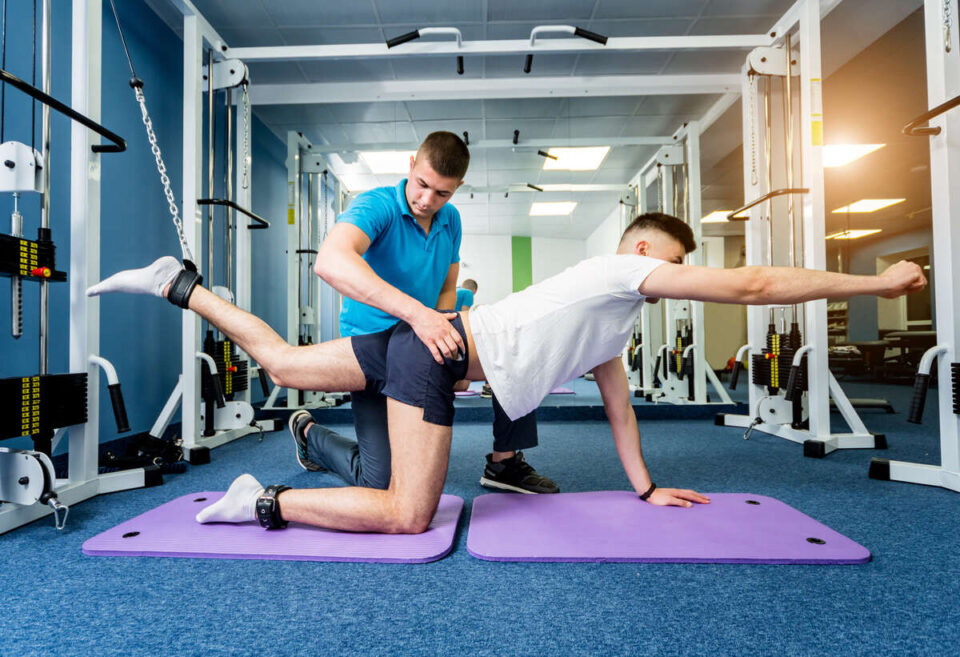
Staying active in Singapore is no longer limited to athletes or fitness enthusiasts. Many adults balance regular exercise with demanding jobs, family responsibilities, and busy urban routines. While physical activity is essential for long-term health, it also brings a growing risk of injuries when the body is not adequately prepared. Knee pain, lower back discomfort, shoulder stiffness, and recurring muscle strains are increasingly common among active adults. This is where structured strength training, performed consistently at a professional gym singapore residents rely on, plays a critical role in injury prevention.
Strength training is not about lifting heavy weights for appearance. It is about building resilient muscles, protecting joints, improving movement quality, and supporting the body through everyday demands. For adults in Singapore who want to stay active without setbacks, strength training becomes a long-term safeguard rather than a short-term fitness trend.
Why Injuries Are Common Among Active Adults in Singapore
Many active adults assume that staying busy and moving often is enough to maintain physical health. However, modern lifestyles create imbalances that increase injury risk even among those who exercise regularly.
Common contributors include:
-
Prolonged sitting at work followed by sudden physical activity
-
Repetitive movements from cycling, running, or group classes
-
Limited recovery due to long working hours
-
Poor posture developed from desk-based routines
Without strength training to correct these imbalances, muscles and joints absorb stress unevenly. Over time, this leads to overuse injuries and chronic pain that can disrupt both fitness routines and daily life.
How Strength Training Protects Joints and Ligaments
Joints are stabilised by the muscles surrounding them. When these muscles are weak or underdeveloped, ligaments and tendons are forced to compensate. This is one of the main reasons injuries occur during simple movements like squatting, lifting objects, or climbing stairs.
Regular strength training helps by:
-
Strengthening stabiliser muscles around the knees, hips, shoulders, and spine
-
Improving joint alignment during movement
-
Reducing excessive strain on ligaments and tendons
For adults in Singapore who remain active through walking, sports, or recreational exercise, strong joints mean fewer interruptions caused by pain or injury.
The Importance of Muscle Balance in Injury Prevention
Muscle imbalances are a silent cause of many injuries. When one muscle group dominates and its opposing group is weak, movement patterns become inefficient. For example, strong quadriceps combined with weak hamstrings can increase knee injury risk. Tight chest muscles paired with weak upper back muscles often lead to shoulder and neck pain.
Strength training addresses these issues by:
-
Targeting both primary and supporting muscle groups
-
Encouraging balanced development across the body
-
Improving coordination and movement control
A structured gym programme allows adults to train muscles they may otherwise neglect, especially those that support posture and joint stability.
Core Strength and Lower Back Protection
Lower back pain is one of the most common complaints among working adults in Singapore. Long hours of sitting weaken core muscles, which reduces spinal support during movement. When the core is weak, the lower back absorbs excessive load during daily tasks and workouts.
Strength training builds core stability through controlled exercises that engage:
-
Deep abdominal muscles
-
Lower back stabilisers
-
Hip and pelvic support muscles
Improved core strength reduces strain on the spine and enhances overall movement efficiency. This makes everyday activities and exercise safer and more comfortable.
Why Strength Training Reduces Overuse Injuries
Overuse injuries develop gradually. They occur when the same movement is repeated without sufficient muscular support or recovery. Running, cycling, and even certain gym classes can contribute to these issues if strength training is absent.
Strength training helps prevent overuse injuries by:
-
Improving muscular endurance
-
Distributing load more evenly across joints
-
Enhancing recovery capacity between training sessions
For active adults who exercise multiple times a week, strength training acts as a protective layer that keeps the body resilient under repeated stress.
Movement Quality and Controlled Training Environments
Many injuries occur not because of the activity itself, but because of poor movement quality. Incorrect lifting techniques, rushed workouts, and lack of body awareness increase injury risk.
Training in a professional gym environment supports injury prevention by:
-
Providing space for controlled, focused movement
-
Offering equipment that supports proper form
-
Encouraging structured progression rather than random intensity
At True Fitness Singapore, the training environment supports deliberate movement rather than rushed workouts. This is especially valuable for adults who want to train effectively while protecting their long-term physical health.
Strength Training for Ageing Without Injury
As adults age, muscle mass naturally declines if it is not actively maintained. This loss affects balance, coordination, and joint stability. In Singapore, where people remain active well into later life, maintaining strength becomes essential for injury prevention.
Consistent strength training helps:
-
Preserve muscle mass and bone density
-
Improve balance and reaction time
-
Reduce fall risk during daily activities
Rather than avoiding physical activity due to fear of injury, strength training empowers adults to stay active with confidence.
Recovery, Fatigue, and Injury Risk
Fatigue is a major factor in injuries. When muscles are tired, movement control decreases and joints become more vulnerable. Many working adults push through fatigue due to limited time, increasing injury risk.
Strength training improves recovery by:
-
Enhancing circulation and nutrient delivery to muscles
-
Improving sleep quality through physical regulation
-
Increasing tolerance to physical stress over time
A stronger body recovers faster, which reduces the likelihood of injuries caused by accumulated fatigue.
Why Random Workouts Are Less Effective for Injury Prevention
Random workouts often focus on intensity rather than structure. While they may feel productive, they do not always address weaknesses or imbalances. Over time, this increases injury risk rather than reducing it.
Structured strength training programmes focus on:
-
Progressive overload without sudden spikes
-
Balanced muscle development
-
Planned recovery periods
This structured approach aligns well with busy Singapore lifestyles, where efficiency and reliability matter.
Integrating Strength Training Into an Active Lifestyle
Strength training does not require daily sessions to be effective. Two to four well-structured sessions per week are enough to significantly reduce injury risk. The key is consistency and proper exercise selection.
Benefits of regular strength training include:
-
Greater confidence during physical activity
-
Reduced fear of injury during exercise
-
Improved performance in sports and daily tasks
When strength training becomes part of a long-term routine, it supports all other forms of physical activity rather than competing with them.
Real-Life FAQ on Strength Training and Injury Prevention
Q: Can strength training prevent injuries even if I already exercise regularly?
A: Yes. Strength training supports muscles and joints that may not be adequately trained through regular activities like running or cycling.
Q: Is strength training safe for adults with previous injuries?
A: When performed with proper progression and technique, strength training often helps rehabilitate and protect previously injured areas.
Q: How soon can I notice injury prevention benefits from strength training?
A: Improved stability and movement control can be felt within weeks, while long-term protection builds over months of consistent training.
Q: Do I need heavy weights to prevent injuries?
A: No. Injury prevention focuses on controlled movement, muscle activation, and balance rather than lifting very heavy loads.
Q: Can strength training help with joint pain caused by desk work?
A: Yes. Strengthening supporting muscles reduces joint stress caused by prolonged sitting and poor posture.
Q: How does a gym environment help reduce injury risk?
A: A professional gym provides appropriate equipment, space, and structure that support proper form and progressive training.
For active adults in Singapore, strength training is not an optional add-on. It is a foundational practice that protects the body, supports longevity, and ensures that staying active remains sustainable and enjoyable for years to come.
