

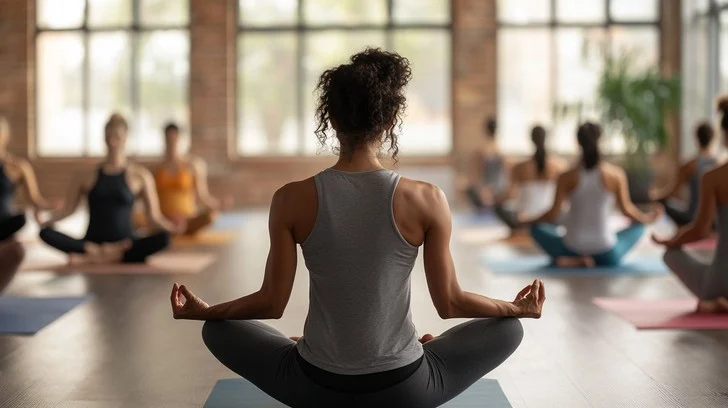
Singapore’s healthcare system is widely respected for its efficiency and forward planning, yet the growing focus today is no longer only on treatment but on prevention. Many working adults now recognise that long hours at desks, constant digital exposure, and high-pressure environments gradually affect both physical and mental health. In this shift towards preventive wellbeing, the yoga studio Singapore landscape has taken on a more meaningful role than ever before.
Rather than being viewed purely as a fitness space, a yoga studio today functions as a structured environment where movement, breath awareness, and recovery come together to support long-term health. This role becomes particularly relevant in a city where performance, productivity, and pace are deeply embedded in daily life.
Understanding Preventive Healthcare in a Singapore Context
Preventive healthcare focuses on reducing health risks before medical intervention becomes necessary. In Singapore, common lifestyle-related concerns include chronic stress, musculoskeletal discomfort, metabolic imbalance, and sleep disruption. These issues often develop quietly over years, influenced by sedentary work habits and limited recovery time.
A yoga studio provides a setting that addresses these risks holistically rather than reactively. Instead of responding to pain or illness after it appears, regular studio practice supports the body’s ability to self-regulate and adapt.
Why prevention matters more than cure
Medical treatment is effective, but it often addresses symptoms rather than underlying lifestyle patterns. Preventive practices aim to:
-
Improve posture and joint health before injury occurs
-
Regulate stress responses before burnout sets in
-
Maintain mobility and strength as the body ages
-
Support mental clarity and emotional balance
This is where consistent, guided yoga practice becomes a practical part of everyday healthcare, not an occasional activity.
How a Yoga Studio Supports Musculoskeletal Health
One of the most common health complaints among Singapore professionals is neck, shoulder, and lower back discomfort. Prolonged sitting, screen use, and limited movement create muscular imbalances that gradually lead to pain.
Studio-based movement versus casual exercise
A yoga studio offers structured programming that differs significantly from random stretching or unsupervised workouts. In a studio environment:
-
Movements are sequenced to restore joint alignment
-
Muscles are strengthened and lengthened evenly
-
Repetitive strain patterns are identified and corrected
-
Instructors provide real-time adjustments to prevent compensation
Over time, this reduces the likelihood of chronic pain becoming a long-term condition that requires medical intervention.
Supporting mobility across different life stages
Preventive musculoskeletal care is not only for older adults. Studio practice benefits:
-
Young professionals managing early posture issues
-
Mid-career adults experiencing stiffness and fatigue
-
Seniors aiming to maintain balance and independence
A yoga studio adapts movement intelligently to suit changing physical needs rather than pushing intensity for short-term gains.
Stress Regulation and the Nervous System
Stress is often normalised in urban environments, yet prolonged stress places strain on the nervous system. When the body remains in a constant state of alertness, recovery becomes difficult.
The role of breath-led practice
Yoga studios emphasise breath awareness as much as physical movement. This directly influences the nervous system by:
-
Activating the parasympathetic response
-
Reducing cortisol levels
-
Improving heart rate variability
-
Enhancing sleep quality
Unlike unstructured relaxation techniques, studio-led sessions guide participants through specific breath patterns that support long-term stress resilience.
Mental clarity as a preventive outcome
Mental fatigue and emotional overload often appear before physical symptoms. Regular studio practice encourages:
-
Improved concentration and focus
-
Better emotional regulation
-
Reduced mental clutter from digital overstimulation
These benefits contribute to overall wellbeing and reduce the likelihood of stress-related health conditions developing later.
Preventing Lifestyle-Related Health Decline
Preventive healthcare also includes addressing issues linked to inactivity and metabolic health. While yoga is not typically associated with high-intensity training, its preventive value lies in consistency and balance.
Movement consistency over intensity
A yoga studio encourages sustainable practice rather than extreme effort. This supports:
-
Blood circulation and joint lubrication
-
Healthy muscle tone
-
Improved body awareness that influences daily movement habits
Consistency helps individuals remain active even during busy periods, reducing the risk of long-term inactivity.
Supporting better sleep and recovery
Sleep is a cornerstone of preventive health. Studio practice positively influences sleep by:
-
Reducing physical tension before bedtime
-
Calming the nervous system
-
Encouraging mindful evening routines
Better sleep improves immunity, hormonal balance, and mental performance, reinforcing preventive health outcomes.
Community and Accountability in Preventive Care
One overlooked aspect of preventive healthcare is adherence. Many individuals understand what they should do but struggle to maintain habits over time.
Why community matters
A yoga studio creates a sense of shared commitment. Practising alongside others fosters:
-
Accountability through routine attendance
-
Motivation during stressful periods
-
Emotional support without pressure
This social element increases long-term participation, which is essential for preventive benefits to take effect.
Professional guidance as risk reduction
Qualified instructors play a crucial role in preventing injury and ensuring progress. They help participants:
-
Modify movements safely
-
Recognise physical limitations
-
Build strength without strain
This guidance reduces the risk of overuse injuries often seen in unsupervised exercise routines.
Integrating Yoga Studios into Modern Healthcare Thinking
As Singapore continues to emphasise health span alongside lifespan, non-medical preventive practices are gaining recognition. Yoga studios align naturally with this vision by promoting self-awareness, movement literacy, and recovery.
A studio like Yoga Edition represents this integration by offering a structured environment where preventive wellbeing becomes part of daily life rather than an occasional effort.
The value lies not in replacing medical care, but in reducing the need for it through consistent, mindful practice that supports both physical and mental health.
Real-Life FAQs
Question & Answer: Can yoga really help prevent future health issues if I feel fine now?
Yes. Preventive practice focuses on maintaining balance before discomfort appears. Many posture-related and stress-related issues develop gradually, and regular studio practice helps address these early patterns before they become noticeable problems.
Question & Answer: How often should I attend a yoga studio for preventive benefits?
Consistency matters more than frequency. Two to three sessions a week allow the body to adapt without strain, supporting long-term health rather than short-term intensity.
Question & Answer: Is a yoga studio suitable if I already exercise regularly?
Absolutely. Yoga complements other forms of exercise by improving mobility, recovery, and body awareness. Many active individuals use studio practice to prevent injury and maintain joint health.
Question & Answer: Can yoga help with work-related stress even if my job is very demanding?
Yes. Studio-based breath and movement practices are specifically designed to regulate stress responses. Over time, this improves how the body and mind handle pressure, even in high-demand roles.
Question & Answer: Do I need to be flexible to benefit from preventive yoga practice?
Flexibility is not a requirement. Preventive yoga focuses on functional movement, joint stability, and awareness. Flexibility often improves naturally as a result of consistent practice.
Question & Answer: How long does it take to notice preventive health benefits?
Many people notice improvements in sleep, posture awareness, and stress levels within a few weeks. Deeper preventive benefits, such as reduced pain and improved resilience, develop with continued practice over months.
